
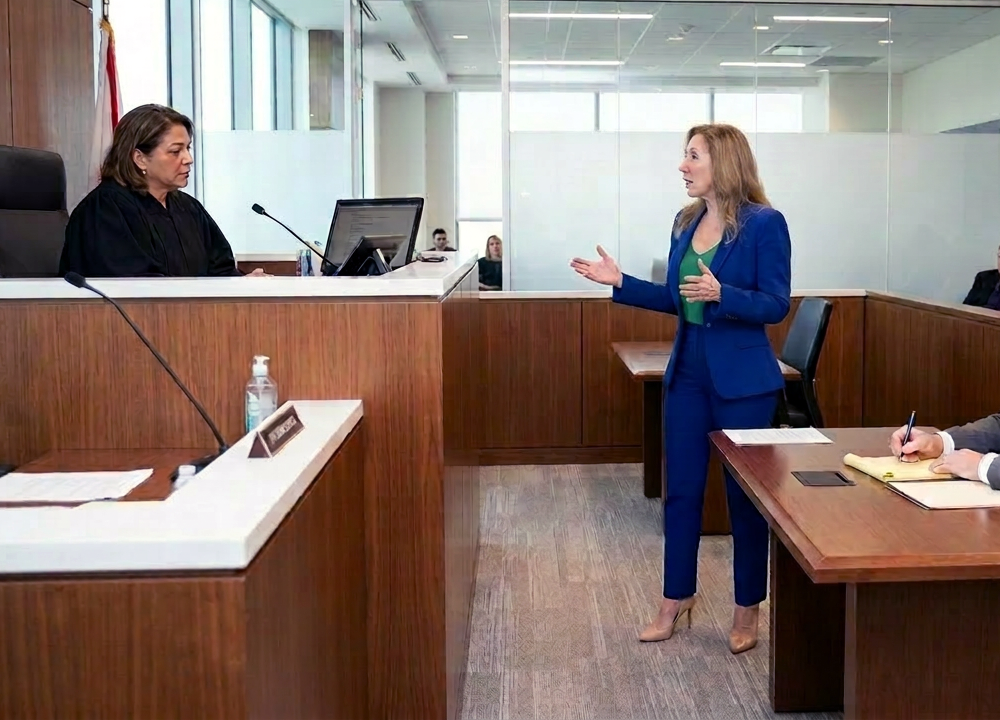
Probate and estate administration is the legal process of settling a person’s affairs after death. This includes identifying and valuing assets, paying debts and taxes, and ultimately distributing property to the appropriate beneficiaries or heirs. In many cases, this process is supervised by a court, particularly when assets are held solely in the decedent’s name or when disputes arise.
While the process is common, it is often more complex and time-consuming than expected. Delays, administrative burdens, and disagreements among beneficiaries can arise if the estate is not properly structured or managed. Careful guidance helps ensure that the process moves forward efficiently and in accordance with both the law and the decedent’s intentions.
What Probate Involves
Probate is the court-supervised process of validating a will and appointing a personal representative to administer the estate. Once appointed, that individual is responsible for gathering assets, notifying creditors, paying outstanding obligations, and distributing the remaining property.
If there is no will, the estate is still administered, but distribution is governed by state law rather than the decedent’s instructions. In either case, the process is designed to ensure that assets are transferred properly and that the rights of creditors and beneficiaries are protected.
Estate Administration Beyond Probate
Probate is only one part of the broader estate administration process. Administration includes all steps required to wind up the decedent’s financial affairs, whether or not court supervision is required.
This may involve:
- collecting and valuing assets
- managing accounts and property during administration
- paying debts, expenses, and taxes
- coordinating distributions to beneficiaries
Even assets that pass outside of probate—such as those with designated beneficiaries or held in trust—often require administrative work to transfer properly. Estate administration is, therefore, a comprehensive process that extends beyond the court proceeding itself.
Responsibilities of the Personal Representative
The individual responsible for administering the estate—often called the executor or personal representative—has legal and fiduciary responsibilities. These duties include identifying assets, maintaining records, communicating with beneficiaries, and ensuring that all obligations are satisfied before distributions are made.
This role can be demanding, particularly in estates involving multiple assets, complex ownership structures, or potential disputes. Errors or delays can expose the representative to liability or prolong the administration process.
At Miller Legal Group, Rhonda A. Miller advises fiduciaries throughout the process, helping them understand their responsibilities and carry them out efficiently and in compliance with applicable law.
Common Challenges in Probate Administration
Even relatively straightforward estates can encounter complications. These may include:
- unclear or inconsistent estate planning documents
- disputes among beneficiaries
- creditor claims or unresolved liabilities
- illiquid or difficult-to-value assets
- administrative delays or missed deadlines
In more complex estates, these issues can significantly extend the timeline and increase costs. Probate and administration often take many months and, in some cases, longer depending on the complexity of the estate and whether disputes arise.
Planning to Simplify Administration
Many of the challenges associated with probate and estate administration can be reduced through thoughtful planning. Proper use of revocable trusts, coordinated beneficiary designations, and clear fiduciary appointments can streamline the process and reduce the need for court involvement.
However, even well-designed plans require careful administration. Assets must be transferred correctly, taxes must be addressed, and legal requirements must still be satisfied.
Rhonda A. Miller brings experience from both planning and administration, allowing her to identify where plans commonly break down and to guide clients through the process with greater efficiency and clarity.
Administration Across Multiple Jurisdictions
For clients who own property in more than one state, additional proceedings may be required to administer those assets. Each jurisdiction may have its own rules and procedures, which can complicate the process and extend the timeline.
At Miller Legal Group, multi-jurisdictional issues are addressed as part of the overall administration strategy, ensuring that assets are properly transferred regardless of where they are located.
A Practical and Coordinated Approach
Probate and estate administration is both a legal and practical process. It requires coordination among fiduciaries, beneficiaries, financial institutions, and, in some cases, courts.
At Miller Legal Group, Rhonda A. Miller approaches administration with a focus on clarity, organization, and forward progress. Her experience allows her to anticipate issues, manage complexity, and guide the process in a way that minimizes disruption and unnecessary delay.
Carrying Out the Plan
The administration process is where an estate plan is put into effect. A well-structured plan can simplify this process, but careful execution is still required.
With proper guidance, probate and estate administration can be handled efficiently, with reduced risk of error, conflict, or delay—ensuring that assets are transferred in accordance with the decedent’s intentions and applicable law.